
is the oldest and largest public garden in Palm Beach County, Florida.1 It serves as a beautiful 20-acre tropical oasis dedicated to educating and inspiring visitors about nature and the diversity of tropical and subtropical plant life.2Here is a detailed breakdown of the garden, its collections, and visitor information:Overview and MissionLocation: West Palm Beach, Florida, located directly across from the Palm Beach International Airport.3Size: The garden spans approximately 20 acres (8.1 hectares).4Collections: It features an acclaimed collection of over 7,000 species of tropical and subtropical plants from six continents.5Mission: To inspire and educate through nature, serving as a "teaching and learning garden" with a focus on plants that can be successfully grown in Florida home gardens.6Partnership: It operates as part of the Palm Beach County Cooperative Extension Department, in partnership with the University of Florida / IFAS, and the non-profit Friends of the Mounts Botanical Garden, Inc.7Notable Display Gardens (25 Unique Areas)Mounts is organized into many distinct thematic gardens, each showcasing a different environment or plant collection:8Garden NameDescriptionWindows on the Floating WorldAn award-winning wetland garden featuring open-gridded walkways on the water's surface, giving the feeling of "walking on water." It showcases seasonal water plants.Tropical ForestA lush area with ferns and foliage that simulates the feeling of a dense tropical conservatory.Edible GardensIncludes the Tropical Fruit Garden and Herb Garden of Well Being, showcasing fruit trees, vegetables, herbs, and flowers that can be successfully grown and consumed in South Florida.Butterfly GardenA specialized habitat designed to attract and support various species of local butterflies.Florida Native Plant GardenDemonstrates the wide variety of plants native to South Florida in a traditional, easy-to-understand landscape design.Garden of ExtremesFeatures plants and materials unique to extreme conditions, such as intense light or weather.Rose and Fragrance GardenA display focused on plants that are both visually appealing and highly fragrant.Zimmerman Color and Shade IslandProvides year-round color and diverse texture through foliage and flowers that thrive in shaded conditions.Garden of TranquilityA peaceful, Zen-inspired area designed for quiet reflection.Art and Educational ExhibitsMounts is a venue for both permanent and rotating art and educational exhibits that complement its botanical collections:9Moai at Mounts Botanical (Ongoing): A permanent installation of three imposing, life-size replicas of the iconic monolithic human figures from Rapa Nui (Easter Island), located within the Tropical Forest Garden.10Temporary Exhibits: The garden frequently hosts large, temporary art installations, such as the whimsical "Ribbit the Exhibit," featuring larger-than-life frog sculptures.11Stickwork Structure: Environmental artist Patrick Dougherty's massive structure made of twisted branches, often used as a feature on the Great Lawn.12Educational Programming: The garden offers a wide array of public programs, classes, workshops, and guided tours focusing on horticulture, art, culture, and health and wellness for both adults and children.13Visitor InformationAddress: 531 N Military Trl, West Palm Beach, FL 33415.14Hours: Generally open Tuesday to Sunday, 9:00 am to 4:00 pm (last entry at 3:00 pm).15 Closed on Mondays and major Palm Beach County holidays.16 (It is always best to check the official website for current hours and special closures).Admission: There is a fee for non-members, with discounts for seniors, students, and military.17 Children under a certain age are free.18Note: Admission is FREE for Mounts members and members of the American Horticultural Society's Reciprocal Program (RAP).19Local Resident Perk: Admission is often free for Palm Beach County residents on the first Wednesday of every month (must show proof of residency).20Accessibility: Garden walkways are paved, providing easy access.21Payments: The Welcome Center and Gift Shop are generally credit/debit card only (no cash or checks accepted for admission).22Pets: The garden hosts special Dogs' Days in the Garden (usually the second Sunday of the month) when dogs are permitted for a small fee, but typically not on other days
is a major aquatic attraction located in Riviera Beach, near West Palm Beach, Florida. It is widely recognized as South Florida's largest waterpark, offering a vast array of slides and attractions designed for all ages and thrill levels. Here is a detailed breakdown of the park: Park Overview and Scale Size: The park covers approximately 30 to 35 acres of land. Attractions: It features over 40 water slides and attractions, catering to high-speed adrenaline junkies, families looking for a gentle ride, and young children. Theming: The park has a general tropical theme, with a focus on delivering a high-energy, fun-in-the-sun experience. Major Thrill Slides & Signature Attractions Rapids Waterpark is known for its intense, high-octane rides, grouped under categories like the "Biggest Thrill" and "Coolest Thrill." Mega Mayhem (New Attraction): Florida's first-ever dueling water coaster. Riders race side-by-side on two separate paths, speeding down twists and high-banked turns, and are propelled uphill using a unique blast jet propulsion technology. Brain Drain: A heart-stopping, dual set of fully-enclosed speed slides. The ride begins with the floor dropping out beneath the rider's feet from a launch capsule, sending them into a near-vertical, 70-foot freefall. Big Thunder: A multi-person raft ride that plunges riders down a steep 45-degree drop before sending them through a massive zero-gravity funnel. Black Thunder: A four-person tube ride that sends riders spinning through twists and turns in total darkness before dropping them into a dark vortex funnel. Big Red: A high-speed, tubeless body slide where the rider spins multiple times around a large bowl before being funneled out into the splash pool. Tubin' Tornadoes: A complex of enclosed tube slides with 360-degree loops and sharp bends. Family and Relaxing Attractions Beyond the intense slides, the park offers numerous attractions for a more relaxed or communal experience. Big Surf Wave Pool: A massive, 25,000-square-foot wave pool that generates rolling inland surf for all guests to enjoy. Lazy River: A long, winding river that meanders through the park, allowing guests to relax on tubes and float under cool mists, fountains, and waterfalls. Riptide Racers: A multi-lane mat racing slide where guests can race their friends and family head-first to the finish line. FlowRider: A continuous wave simulator that allows guests to try bodyboarding or surfing on a constant sheet of water. Raging Rapids: A fast-paced, family-friendly raft ride with twists and turns, suitable for groups. Kid-Friendly Zones The park provides several dedicated areas for young children and toddlers: Barefootin' Bay: An expansive, interactive water play structure featuring mini-slides, water cannons, sprayers, and the classic giant tipping bucket. Splish Splash Lagoon: A wading pool and small water play area designed specifically for the park's youngest guests. Splash Hill: A collection of slides of varying speeds and excitement levels that are suitable for children and families. Amenities and Logistics Location: 6566 N Military Trl, Riviera Beach, FL 33407 (near West Palm Beach). Seasonality: The park is typically open seasonally, from approximately March through October, with hours varying by month. Services: Cabanas: Private cabanas are available for rent, offering a shaded, personal escape with amenities like comfortable seating and food service. Food & Beverage: Various snack bars, cafes, and a full-service restaurant (like the Big Surf Café) are available throughout the park. Safety: Lifeguards are on duty at all attractions, and personal flotation devices are provided free of charge. Other: Lockers are available for rent, and parking is available on-site for a fee.
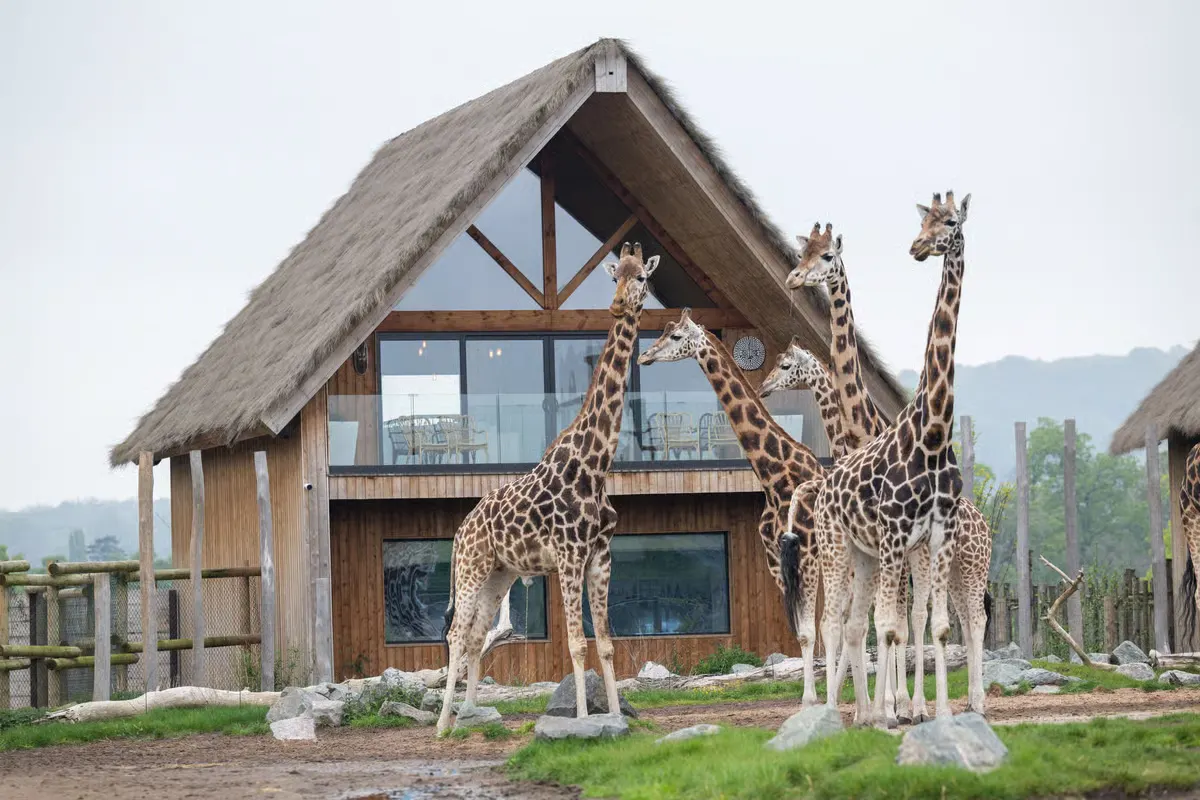
is a unique and long-standing wildlife attraction in Loxahatchee, Florida (near West Palm Beach), famous for being the first "cageless zoo" in the United States, opening in 1967. It offers a memorable experience through two main areas: a large drive-through safari and an adjacent walk-through amusement park. Here is a detailed breakdown of the park: Part 1: The Drive-Through Safari The main attraction is the 4-mile, 600-acre preserve where visitors drive their own vehicles slowly through seven distinct, themed habitats designed to mimic various African landscapes. The Safari Experience: Themed Habitats: The preserve is divided into sections named after famous African parks and regions, such as the Kalahari Bushveldt, Ruaha National Park, Gorongosa Reserve, and Serengeti Plains. Animals Roam Freely: Many non-predatory animals, including large herds of herbivores, are allowed to roam freely across the massive acreage, often walking right up to or across the road in front of vehicles. Common Sightings: You can expect to see some of the largest herds of Giraffes, Zebras, Southern White Rhinoceroses, Wildebeest, Impalas, Waterbucks, and various antelope species. Predator Viewing: Iconic predators, most notably the African Lions, are contained in their own securely fenced areas (like the Gorongosa Reserve section) for the safety of both the animals and the public. Chimpanzee Islands: A unique feature is the chimpanzee exhibit, where the animals live in complex social groups on a system of islands, replicating their nomadic lifestyle and providing an enriching environment. Rules and Safety: Visitors must remain in their vehicles at all times, keep windows and doors closed, and follow a slow pace. A recorded narration (often available via streaming or CD) guides visitors through the route and provides educational information about the animals. Best Time to Visit: Animals tend to be more active in cooler weather, such as early mornings, rainy days, or during the winter months. Part 2: Safari World (The Walk-Through Park) After completing the drive-through portion, visitors can park their vehicles and enter the Safari World area, which is a traditional walk-through park offering additional exhibits, rides, and family activities. Safari World Attractions: Animal Encounters: This area features smaller, traditional exhibits and highly popular interactive experiences: Giraffe Feeding: A major highlight where guests can stand on a platform to hand-feed the tall animals. Lory Bird Aviary: An opportunity to feed and interact with colorful lory parrots. Petting Zoo and other small exhibits. Rides and Amusements: Admission typically includes unlimited access to several family-friendly rides and attractions: Water Play: The Safari Splash Sprayground is a popular spot to cool off, featuring slides and various water play elements. Amusement Rides: Includes a Ferris wheel, the Rio Grand Train ride, a carousel, a Flying Elephant Ride, and mini-golf. Boat Rides: Paddle boats and a pontoon boat ride are often available. Dining and Shopping: The park has a main restaurant, snack shops, and gift shops for souvenirs. Conservation and Mission Lion Country Safari is an accredited member of the Association of Zoos and Aquariums (AZA) and is dedicated to wildlife conservation and education. The park plays an active role in breeding programs for rare and endangered species, such as the Southern White Rhinoceros, of which they have one of the largest herds in the country. The focus is on providing large, natural habitats for the animals to roam, promoting their well-being and natural behaviors.
Clematis Street is the historical "Main Street" of West Palm Beach, stretching for several blocks from Flagler Drive on the Intracoastal Waterway westward into the downtown area. It is characterized by its blend of historic architecture, eclectic local businesses, and a thriving nightlife scene.Key Features and Vibe:Historical Significance: Clematis Street was the city's main commercial artery from the mid-1890s. The 500 block is a U.S. Historic Commercial District, featuring structures built in the 1910s and 1920s, showcasing Mediterranean Revival and masonry vernacular architectural styles.Waterfront Access (East End): The street terminates at the scenic Waterfront Commons on the Intracoastal Waterway. This area features:Centennial Park: A great public space with colorful, interactive water fountains for children.The Great Lawn: A venue for major festivals and events with picturesque views of Lake Worth Lagoon and Palm Beach across the water.Dining and Nightlife: Clematis Street is famous for its concentration of restaurants, bars, and nightclubs, giving it a high-energy, eclectic vibe, particularly after dark. Cuisines range from authentic Italian and Mexican to American gastropubs and unique local spots.Shopping: The retail mix tends to favor local boutiques, antique shops, novelty stores, and unique small businesses over large national chains.Signature Events:Clematis by Night: A highly popular, free weekly concert series held on Thursday evenings at the Waterfront, featuring live music.GreenMarket: An award-winning farmers' market held seasonally on Saturday mornings by the waterfront.4th on Flagler: The city's massive Independence Day fireworks celebration.2. The Square (Formerly CityPlace / Rosemary Square)Located a few blocks south and west of the main Clematis corridor, The Square is a large, upscale, mixed-use complex that spearheaded the urban renaissance of West Palm Beach in the early 2000s.Key Features and Vibe:Urban Design: Originally opened as CityPlace in 2000, it was later rebranded as Rosemary Square and is now simply The Square. It is a premier example of New Urbanist development, designed as a city-within-a-city.Architecture: The design is distinctly European-inspired, featuring Mediterranean and Venetian architectural elements, creating an elegant, polished, and open-air atmosphere with central plazas and beautifully paved pedestrian streets.Retail and Lifestyle: The focus is on a high-end, contemporary lifestyle. It hosts a mix of luxury and national retail tenants, home furnishings, and upscale dining. Major anchors often include a cinema, a fitness center, and a grocery store (Publix).Mixed-Use Development: Beyond shopping and dining, The Square incorporates residential units (apartments and condos) and modern office towers, fostering a truly vibrant 24/7 community.Cultural Centerpiece: The complex incorporates the beautifully restored Harriet Himmel Theater (a former 1926 church), which now serves as a cultural and event venue.Community Space: The central plaza and outdoor seating areas are designed for gathering, with programmed events, pop-up markets, and art installations (like the famous Wishing Tree or seasonal holiday displays).Connecting the DistrictsThe relationship between Clematis Street and The Square is symbiotic, with a free trolley service often connecting the two areas, making it easy for visitors to experience the full range of downtown offerings.FeatureClematis StreetThe SquareVibeHistoric, Edgy, Nightlife-focused, LocalUpscale, Polished, Contemporary, LifestyleFocusBars, live music, eclectic dining, waterfront eventsHigh-end shopping, designer stores, new-age dining, residential/officeArchitectureHistoric storefronts (Mediterranean Revival, etc.)Modern interpretation of Mediterranean/Venetian designKey AttractionWaterfront Commons, "Clematis by Night" concertsCentral plaza, Harriet Himmel Theater, luxury shopping
Water Activities: Snorkeling, Diving, and Beaches Peanut Island is considered a premier spot for water-based fun, especially for snorkeling and diving. Snorkeling and Diving: Snorkel Reef & Lagoon: The southeastern shoreline features a dedicated snorkeling area with calm, shallow waters (4-12 feet deep) and a man-made artificial reef system. This makes it ideal for both beginners and experienced snorkelers. Marine Life: The clear waters attract a diverse array of tropical fish, including parrotfish, angelfish, sergeant majors, stingrays, and even spotted moray eels. Manatees are often present, especially during the cooler winter months. Tides: For the best visibility and conditions, it is generally recommended to visit during high tide and in the early mornings. Other Water Fun: Beaches: The island features beautiful beaches perfect for relaxing and sunbathing. The calm, shallow inlets are excellent for families. Kayaking and Paddleboarding: Rentals are available at nearby marinas, offering another great way to explore the island's perimeter and the Lake Worth Lagoon. Boating: Many visitors arrive by private boat, anchoring along the shoreline, particularly at the popular northern sandbar during low tide. 2. History: The John F. Kennedy Bunker (Detachment Hotel) The island holds a significant piece of Cold War history with the former Presidential bunker, officially known as Detachment Hotel. Construction and Purpose: The 1,500-square-foot bunker was constructed in 1960 by the U.S. Navy Seabees, just one month before John F. Kennedy's inauguration. Its purpose was to serve as a fallout shelter and command post for the President in the event of a nuclear attack, allowing him to be evacuated quickly from the Kennedy family's nearby Palm Beach estate. The Facility: It was designed to house up to 30 people for 30 days. Access was through a long, corrugated metal tunnel designed to lessen the effects of a blast. Inside, it contained a decontamination room, a radio room for communication, and a main living area. History: Kennedy is believed to have participated in drills that would have taken him to the site. The bunker was closed in 1963 following his assassination, and its existence was declassified in 1974. Museum (Note on Status): For many years, the bunker was restored and opened to the public as a historic site by the Palm Beach Maritime Museum. However, it is important to note that the Kennedy Bunker and the adjacent former U.S. Coast Guard base have been closed since 2017/2019 until further notice due to a dispute over control and maintenance. While you can still visit the island, access to the interior of the bunker may be restricted. 3. Park Amenities and Getting There Amenities: The park offers a scenic paved walking path around the island, picnic pavilions, grills, restrooms with hot indoor showers, and a designated fishing pier. Camping: The island also features a tent campground with 17 reserved campsites, each including a tent pad, grill, and picnic table. Reservations are required. Note that alcohol is generally prohibited on the island except in the designated camping areas. Access: Peanut Island is only accessible by water (private boat, kayak, paddleboard, or water taxi). Water Taxi/Shuttle: The most common way to get there is by water taxi from the Riviera Beach Marina Village. The ride is short, typically about 5 to 10 minutes. Parking: Parking for the water taxi is available at the Riviera Beach Marina.
Tucked away in the lush courtyard of Pizza Al Fresco on glamorous Worth Avenue, you’ll find one of Palm Beach’s most unusual attractions—a small gravestone dedicated to Johnnie Brown, the pet spider monkey of famed architect Addison Mizner. Johnnie Brown wasn’t just any monkey; he was Mizner’s constant companion during the roaring 1920s. Known locally as “The Human Monkey,” he wore custom outfits, entertained Palm Beach society, and even “helped” Mizner with his architectural projects. When he passed away in 1927, Mizner honored him with a proper grave right in the heart of Palm Beach. Today, visitors stumble upon the stone marker inscribed with: “Johnnie Brown – The Human Monkey – Died April 30, 1927.” It’s a whimsical reminder that Palm Beach is not only about opulence and history, but also about the quirky personalities who shaped its legacy. Surrounded by bougainvillea, luxury shops, and timeless Mediterranean-style architecture, Johnnie Brown’s resting place adds a surprising touch of charm and humor to Worth Avenue’s elegance. ✨ Why Visit? Because where else can you shop designer boutiques, sip champagne, and pay respects to a monkey who once ruled Palm Beach society?
Why Go: The largest art museum in Florida, housing over 8,200 works including American, European, Chinese, and contemporary art. What to See: Masterpieces by Picasso, Monet, and O’Keeffe, plus a lush sculpture garden. The building itself is strikingly modern. Tip: Free admission on Fridays and select events. Pair with dinner in nearby West Palm Beach. What to See: Marble staircases, Tiffany glass, period furnishings, and rotating exhibits on Florida’s history. Tip: Allow 1–2 hours. Great for history lovers and anyone who enjoys grand architecture.
Why Go: Often called “Rodeo Drive of the East Coast,” Worth Avenue is Palm Beach’s luxury shopping street, lined with designer boutiques, fine dining, and Mediterranean-style courtyards. What to Do: Window-shop iconic brands (Gucci, Chanel, Cartier), explore Via Mizner alleyways, and enjoy people-watching. Tip: Even if you’re not buying, the architecture and atmosphere make it worth the stroll
Why Go: One of America’s most iconic hotels, originally built by Flagler in 1896. The Breakers is not just a hotel—it’s a Palm Beach experience. What to Do: Admire the Italian Renaissance–style architecture, enjoy a luxury spa day, dine at one of its world-class restaurants, or book a round of golf at its historic course. Tip: You don’t need to be a guest to dine here—reservations recommended for dinner or afternoon cocktails. Located just under Blue Heron Bridge on Singer Island, Phil Foster Park is famous for its underwater snorkel trail—an artificial reef made of limestone boulders and reef modules covering a 2-acre area, using some 600 tons of rock Palm Beach County Discover The Palm Beaches . The trail stretches about 800 feet and sits in 6–10 feet of clear water, making it ideal for both snorkelers and novice divers Discover The Palm Beaches Snorkel Around The World Jetset Jansen . Marine life is abundant: you'll often spot squid, octopus, rays, starfish, tropical fish—and even manatees or eels may appear Palm Beach County Discover The Palm Beaches Florida Wildlife Federation . Tips: snorkeling is best done around slack tide (within 2 hours before or after) and you’ll need a diver’s flag (available at dive shops) Palm Beach County . Why go: Perfect for underwater photographers, curious snorkelers, and anyone enchanted by marine life.
Why Go: This opulent 75-room mansion was built in 1902 by Henry Flagler, the railroad tycoon who transformed Florida. Today, it’s a National Historic Landmark showcasing the luxury of the Gilded Age. What to See: Marble staircases, Tiffany glass, period furnishings, and rotating exhibits on Florida’s history. Tip: Allow 1–2 hours. Great for history lovers and anyone who enjoys grand architecture.